If you’re asking “Is SoFi Bank safe?”, you’re not alone.
When I first considered moving money from a traditional brick-and-mortar bank to a digital one, I was skeptical. No physical branches? Just an app? It felt risky. But after digging into how SoFi actually operates, my view shifted from total hesitation to genuine comfort — with a few important caveats.
Let’s break this down logically and emotionally — because when it comes to your money, both matter.
Is SoFi a Real Bank or Just a Fintech App?
One of the biggest concerns people have is whether SoFi Bank is an actual bank — or just another fintech layered on top of someone else’s infrastructure.
Bank Charter and Regulation
SoFi is a national bank. It operates under a U.S. bank charter and is regulated at the federal level. That alone puts it in a different category than many “neobanks.”
This was a turning point for me.
Unlike some digital banking apps that rely on Banking-as-a-Service (BaaS) partnerships, SoFi owns its banking license. That means it doesn’t just provide a slick interface — it controls the underlying bank itself.
How SoFi Differs from BaaS Platforms
The collapse and chaos around Yotta raised real concerns in the fintech space. Many users discovered that their money sat within complex partner-bank structures tied to the Banking-as-a-Service model.
SoFi is not structured that way.
That distinction significantly lowers structural risk. When I compared it to platforms like Chime, the difference became clear: SoFi isn’t just a software layer — it’s the bank.
That matters more than most marketing pages admit.
Is SoFi FDIC Insured? Understanding Deposit Protection
Security isn’t about vibes — it’s about legal protection.
$250,000 Standard Coverage
SoFi deposits are insured by the FDIC up to $250,000 per depositor, per ownership category, just like traditional banks such as Capital One or Ally Bank.
If SoFi were to fail, FDIC insurance would protect eligible deposits within those limits.
Extended Insurance up to $2 Million
SoFi also advertises expanded coverage (up to $2M for individual accounts) through a deposit network program that spreads funds across partner banks.
Important nuance:
This doesn’t mean one single account is insured for $2M at one bank. It means funds are distributed across multiple FDIC-insured institutions behind the scenes.
What Happens If SoFi Goes Bankrupt?
This was one of my biggest early concerns.
Realistically, SoFi is well-capitalized and publicly traded. The risk of collapse isn’t zero — no bank is risk-free — but structurally it is comparable to other regulated banks.
The bigger concern isn’t collapse.
It’s access.
How Secure Is SoFi Technically?
Legal insurance is one layer. Cybersecurity is another.
Encryption, 2FA, and Fraud Monitoring
SoFi uses:
- Bank-level encryption
- Two-factor authentication
- Biometric login options
- Real-time fraud monitoring
- Account alerts
From a technical standpoint, their security stack is consistent with major U.S. banks.
Account Freezes and False Positives
Here’s where nuance matters.
My real worry isn’t that SoFi will disappear overnight. It’s that in an age of aggressive fraud detection, accounts can get frozen for suspicious activity — sometimes by mistake.
And this is where digital-only banks can feel vulnerable.
If your account is flagged, you rely entirely on remote support. Some users report slow resolution times. That’s not unique to SoFi, but it’s a real operational risk in modern banking.
This is the part most reviews don’t emphasize enough.
Is SoFi Safer Than Chime, Ally, or Capital One?
Safety isn’t binary. It’s comparative.
Traditional Banks vs Neobanks
Compared to Chime, SoFi feels like the “older, more serious sibling.” It offers:
- Full bank charter
- Lending products
- Investing tools
- Savings with competitive APY (with direct deposit)
Compared to Ally Bank or Capital One, SoFi differentiates itself through integration.
The “All-in-One” Ecosystem Advantage
This was honestly what sold me.
With SoFi, you can:
- Hold high-yield savings
- Track investments
- Manage student loans
- Monitor credit score
- Use budgeting tools
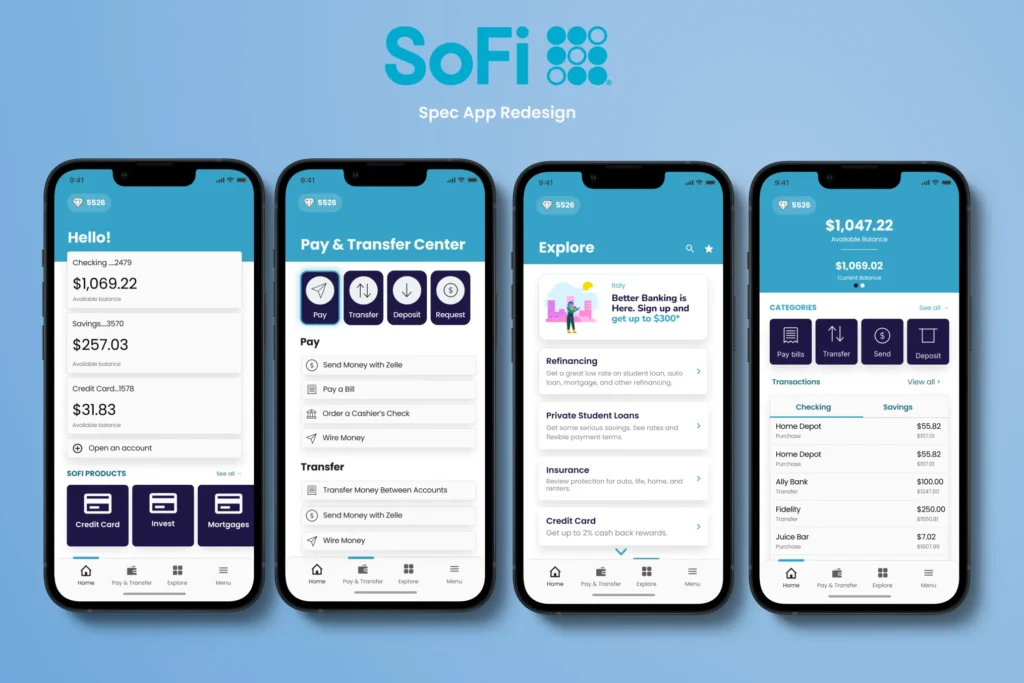
All inside one dashboard.
If you’re looking for just a no-fee checking account, other options may work. But if you want your money to work harder — earning interest while staying centralized — SoFi offers a compelling structure.
The Real Risks: What Should Actually Worry You?
Let’s separate realistic concerns from internet panic.
Digital Fraud Risk
All online banks face fraud attempts. The real risk isn’t that SoFi lacks security — it’s that digital finance itself carries exposure to phishing, SIM swaps, and identity theft.
User behavior matters as much as institutional safeguards.
Support Response Times
If something goes wrong, resolution speed becomes critical.
Some users report delays in resolving locked accounts. This is where traditional banks with branches may feel more reassuring.
That said, this isn’t a structural failure — it’s a service scalability issue common in high-growth fintech.
Lessons From the Yotta Situation
The Yotta situation exposed how confusing BaaS structures can be for consumers.
But SoFi’s ownership of its own bank charter significantly reduces that type of operational entanglement.
That distinction matters more than social media threads suggest.
So, Is SoFi Bank Safe for Your Money?
Short answer: Yes — structurally and legally, SoFi is safe.
Long answer:
It’s as safe as any federally regulated U.S. bank, with strong digital security and FDIC insurance protections.
The real risks are not collapse or lack of regulation.
They are:
- Digital fraud exposure
- Potential account freezes
- Support delays
When I first considered moving my money, I hesitated because there was no physical building attached to my deposits. But after understanding the bank charter, FDIC structure, and capitalization, the fear shifted from “Is this real?” to “Is this the right ecosystem for me?”
If you want:
- Competitive APY
- Integrated investing
- A modern banking experience
- And a federally regulated structure
SoFi is a strong option.
If you prioritize in-person support and immediate branch access, a traditional bank might feel safer emotionally — even if the regulatory protections are identical.
Final Verdict
SoFi is not a fragile fintech startup. It’s a regulated national bank with modern digital infrastructure.
For most users, the safety question should shift from:
“Is SoFi safe?”
to
“Does SoFi’s digital-first model match my risk tolerance and lifestyle?”
Because legally and structurally — yes, it’s safe.
FAQs
Is SoFi FDIC insured?
Yes. Deposits are insured up to $250,000 per depositor, per ownership category by the FDIC.
Can SoFi freeze your account?
Yes — like any bank, it can freeze accounts if suspicious activity is detected.
Is SoFi safer than Chime?
Structurally, yes. SoFi holds its own bank charter, whereas Chime operates via partner banks.
What happens if SoFi fails?
Eligible deposits would be covered under FDIC insurance limits.