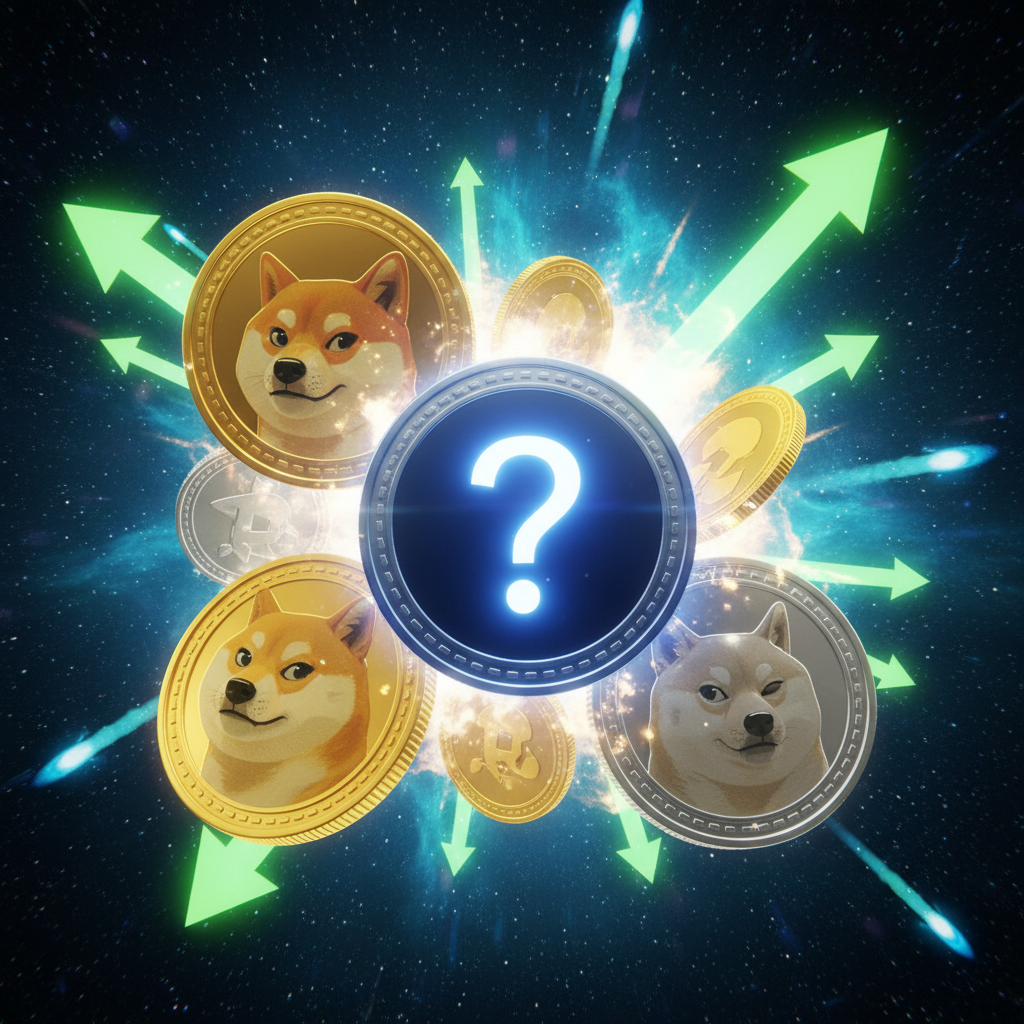
Memecoin trading has become one of the most intense, polarizing, and misunderstood corners of the crypto market. What started as internet jokes has evolved into a high-speed speculation arena where tokens can surge 500% in hours—or collapse to zero just as fast. Unlike traditional investing, memecoin trading isn’t about fundamentals or long-term value. It’s about attention, momentum, and timing.
In this article, we’ll break down how memecoin trading really works, the strategies traders use to survive (and sometimes win), and the very real risks hiding behind viral hype.
What Is Memecoin Trading?
Memecoin trading refers to the speculative buying and selling of cryptocurrencies that derive most of their value from internet culture, social media trends, and community hype rather than utility or technology. Tokens like Dogecoin and Shiba Inu opened the door, but today thousands of memecoins launch every year—many lasting only days or even hours.
The key distinction is intent: you’re not investing in memecoins, you’re trading attention. Price action is driven by virality, influencer mentions, Telegram buzz, and whale activity—not roadmaps or revenue.
Why Memecoins Move So Fast
Memecoins are uniquely volatile because of a few structural factors:
- Low liquidity at launch, allowing small buys to push price aggressively
- Concentrated token ownership, where a few wallets control large percentages
- Narrative-driven demand, fueled by memes, trends, and FOMO
- Lack of intrinsic valuation, meaning price has no natural “floor”
This combination creates explosive upside—and equally violent downside.
Common Memecoin Trading Strategies
There’s no “safe” way to trade memecoins, but experienced traders tend to follow disciplined frameworks to manage chaos.
1. Treat Every Trade as Disposable Capital
One core rule among seasoned memecoin traders is simple: only trade with money you are fully prepared to lose. Memecoins behave more like lottery tickets than investments. This mindset removes emotional attachment and prevents catastrophic losses.
2. Trade Momentum, Not Belief
Successful memecoin trading focuses on:
- Volume spikes
- Wallet activity (especially large holders)
- Social traction across X (Twitter), Telegram, and Discord
Tools like Dexscreener are commonly used to track real-time liquidity, volume, and whale movements. The goal isn’t to “believe” in the token—it’s to ride momentum while it exists.
3. Avoid the FOMO Trap
One of the most common mistakes is buying after a massive pump. Viral tokens often peak precisely when retail traders rush in. Chasing green candles usually means providing exit liquidity for early buyers.
Patience matters more than speed.
4. Recover Initial Capital Early
A widely used risk-management tactic is to sell enough tokens to recover the initial investment once price spikes, then let the remainder ride. This transforms the position into a “free trade” and removes psychological pressure.
5. Never Ignore Contract and Liquidity Checks
Before entering any memecoin trade, experienced traders check:
- Whether liquidity is locked
- If the contract allows minting or blacklist functions
- Wallet distribution (to avoid whale dominance)
Skipping these steps is how many traders end up victims of rug pulls.
The Biggest Risks in Memecoin Trading
Rug Pulls and Exit Scams
Rug pulls are one of the most common dangers. Developers remove liquidity or dump large holdings, instantly crashing the price. If liquidity isn’t locked or ownership isn’t renounced, risk increases dramatically.
Extreme Emotional Volatility
Memecoin trading amplifies emotions:
- Euphoria during rapid gains
- Panic during sudden dumps
- Revenge trading after losses
Without strict rules, emotions can destroy capital faster than market movements.
Illiquidity on the Way Down
While prices can pump quickly, exits are often crowded. When momentum dies, buyers disappear, spreads widen, and selling even small positions can become impossible.
Memecoin Trading vs Long-Term Crypto Investing
It’s critical to separate the two:
| Memecoin Trading | Long-Term Investing |
|---|---|
| Short timeframes | Multi-year horizon |
| Hype-driven | Fundamentals-driven |
| High risk | Risk-managed |
| Attention-based | Utility-based |
Confusing these approaches is a common—and costly—mistake.
Is Memecoin Trading Worth It?
Memecoin trading can be profitable for disciplined, fast, and emotionally detached traders. But it’s not passive income, not predictable, and not forgiving. Most participants lose money—not because gains are impossible, but because risk management is ignored.
The real skill isn’t finding the next token “going to the moon.”
It’s knowing when to get off the rocket before it crashes.
Final Thoughts
Memecoin trading sits at the intersection of internet culture, speculation, and human psychology. It rewards speed, awareness, and discipline—but punishes greed and hesitation without mercy.
If you choose to participate, do it with eyes open, capital you can afford to lose, and rules you actually follow. In this market, survival is already a win.
FAQs About Memecoin Trading
Is memecoin trading gambling?
In many cases, yes. The lack of fundamentals and extreme volatility make it closer to speculation than traditional investing.
Can beginners trade memecoins?
They can, but beginners are statistically more likely to lose money due to FOMO and lack of risk controls.
What’s the safest memecoin strategy?
There is no safe strategy—only risk-managed ones. Small position sizes and quick profit-taking reduce damage.